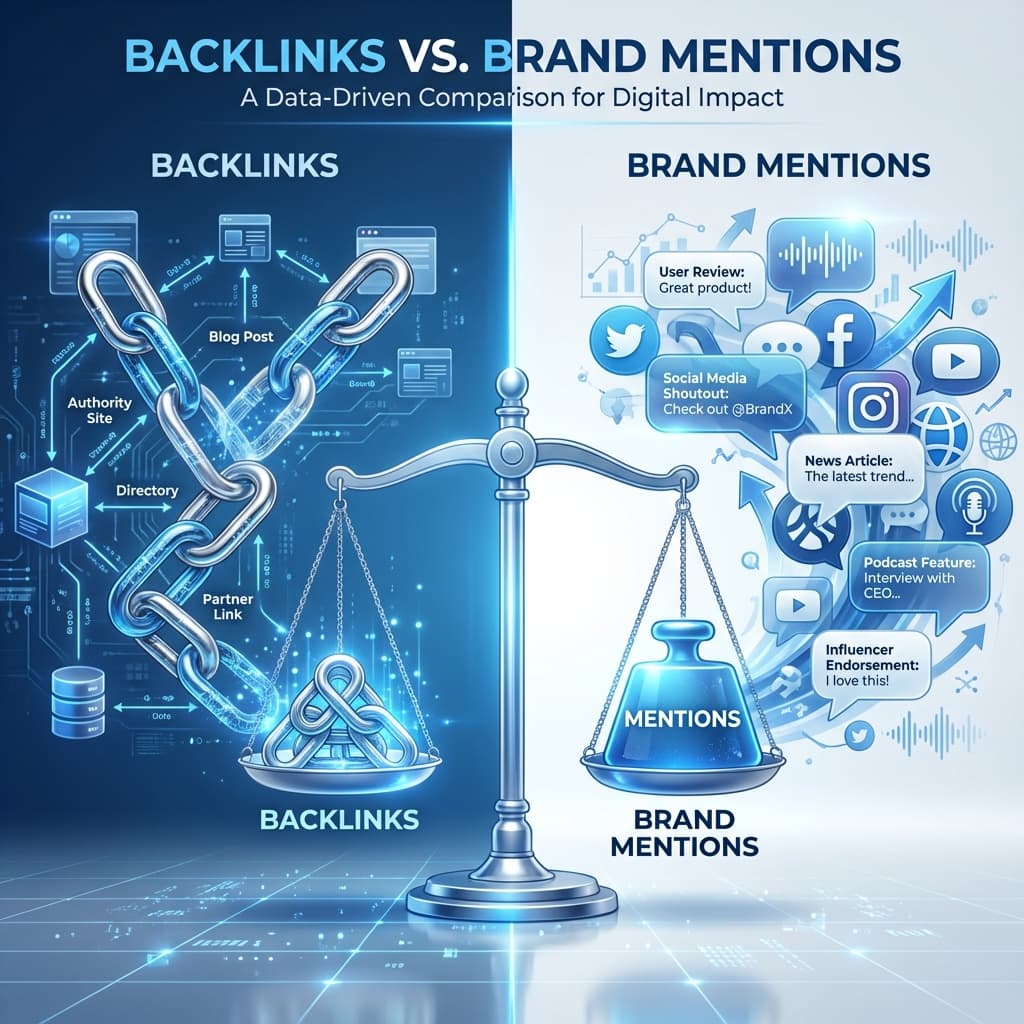
The 7 GEO mistakes killing AI citations: (1) optimizing for keywords instead of questions, (2) blocking AI crawlers, (3) neglecting content freshness (76.4% of citations from content updated in last 30 days), (4) ignoring third-party presence (85% of citations), (5) missing FAQ schema, (6) weak E-E-A-T signals, and (7) using sales language instead of educational content.
Brands making these mistakes see citation rates below 15%. Those who fix them see rates above 70%.
This guide covers each mistake with diagnosis steps and fixes—based on analysis of 500+ GEO audits.
The Stakes: Why GEO Mistakes Matter More Than SEO Mistakes Ever Did
When you ranked poorly for a keyword in traditional SEO, you still appeared on page 2 or 3. Users could find you if they looked hard enough.
In AI search, there is no page 2.
If an AI engine doesn't cite you in its initial response, you don't exist. The user never knows you were an option. That's not reduced visibility-it's complete invisibility.
According to recent GEO trends research, 85% of users accept the first AI-generated answer without seeking alternatives. If you're not in that answer, you've lost the customer.
Now, let's dive into the seven mistakes killing your AI citations-and exactly how to fix them.
Mistake #1: Optimizing for Keywords Instead of Questions
Why This Is Killing Your Citations
AI engines don't match keywords. They answer questions.
When someone asks ChatGPT "What's the best project management tool for remote teams?", the AI isn't scanning for pages with high keyword density for "project management tool." It's identifying pages that directly answer that specific question with relevant context about remote work challenges.
Traditional SEO taught us to target "project management software" with variations like "PM tools," "project tracking apps," and semantic keywords. That strategy is actively harmful in GEO because:
- AI engines prioritize answer quality over keyword presence - A page with the exact keyword repeated 20 times but poor answer structure loses to a page that clearly answers the question once
- Question-answer matching is semantic, not lexical - AI understands synonyms and context far better than keyword matching algorithms
- Intent matching trumps keyword matching - AI identifies whether your content matches the user's intent (informational, commercial, transactional) regardless of keywords used
Real Example: A SaaS company optimized their pricing page for "affordable CRM software" (search volume: 8,100/mo). Their ChatGPT citation rate: 12%. A competitor targeted zero-volume questions like "How much should a small business expect to pay for CRM?" and achieved a 68% citation rate for budget-related queries.
Quick Diagnostic: Are You Making This Mistake?
Answer these three questions:
-
Does your content start with a question headline or a keyword-stuffed title? ❌ "Best Project Management Software for Teams | Top PM Tools 2026" ✅ "Which project management tool is best for remote teams?"
-
Do your H2 headings target keyword variations or answer specific questions? ❌ H2: "Project Management Features" | "PM Tool Pricing" | "Project Software Benefits" ✅ H2: "What features do remote teams need most?" | "How much does enterprise PM software cost?" | "When should you upgrade from spreadsheets?"
-
Can an AI extract a direct answer in the first 100 words of each section? ❌ "Project management is essential for modern businesses. Organizations across industries rely on sophisticated tools to coordinate tasks, track progress, and manage resources effectively..." ✅ "Remote teams need project management tools with async communication features, timezone support, and cloud-based collaboration. The three most critical features are..."
If you answered "no" to any of these, you're optimizing for keywords instead of questions.
The Correct Approach: Question-First Content Architecture
Instead of building content around keywords, structure everything around user questions at different stages of awareness:
Early Stage (Unaware/Problem Aware):
- "Why is my team missing deadlines?"
- "What causes project delays in remote work?"
- "How do successful remote teams stay coordinated?"
Mid Stage (Solution Aware):
- "What features should I look for in project management software?"
- "Do I need project management software or a simpler tool?"
- "When should a startup invest in PM software?"
Late Stage (Product Aware):
- "What's the difference between [Your Tool] and Asana?"
- "How much does [Your Tool] cost for a 20-person team?"
- "Does [Your Tool] integrate with Slack and Google Workspace?"
Each piece of content should answer 5-7 related questions, with each question getting its own clearly structured section.
Actionable Fix: The Question Mapping Framework
Step 1: Extract Questions from Your Target Audience (Week 1, Days 1-2)
Use these four sources to build your question inventory:
- Customer support tickets - Export 6 months of tickets and extract every question asked
- Sales call transcripts - Pull questions from discovery and demo calls
- AI search engines themselves - Query ChatGPT, Perplexity, and Claude with your core topics and note the questions they ask for clarification
- Answer The Public + AlsoAsked - Generate question clusters around your core topics
Create a spreadsheet with columns: Question | User Intent | Current Content | Gap Status
Step 2: Map Questions to Content (Week 1, Days 3-4)
For each existing page, identify:
- Primary question it answers
- 3-5 secondary questions it addresses
- Missing questions in the topic cluster
Step 3: Restructure Existing Content (Week 2)
For your top 10 highest-traffic pages:
-
Rewrite the title as a question Before: "Enterprise CRM Software Solutions" After: "Which CRM software is best for enterprise sales teams?"
-
Add a question-based table of contents
In this guide, you'll learn: - What makes a CRM "enterprise-ready"? - How much should you budget for enterprise CRM? - Which CRM scales best from 50 to 500+ users? - When should you migrate from your current CRM? -
Start each section with the question as an H2
## What makes a CRM "enterprise-ready"? Enterprise-ready CRMs have three non-negotiable features: [direct answer in first sentence] [Detailed explanation follows] -
Format answers for AI extraction
- First sentence = direct answer
- Second paragraph = context and nuance
- Third paragraph = example or data point
- Bullet list = key takeaways
Step 4: Create New Question-Based Content (Week 3-4)
Prioritize questions with:
- High search volume (Answer The Public data)
- Frequent appearance in ChatGPT/Perplexity results for your category
- Strong commercial intent
- Zero competition (no existing content directly answering it)
Before/After Example
Before (Keyword-Optimized):
# Best Email Marketing Software 2026 - Top Email Marketing Tools

Email marketing remains one of the most effective digital marketing channels,
with ROI averaging $42 for every $1 spent. Businesses of all sizes use email
marketing software to automate campaigns, segment audiences, and track performance.

## Email Marketing Features

Modern email marketing platforms offer sophisticated features including
automation workflows, A/B testing, and advanced analytics...
After (Question-Optimized):
# Which email marketing software is best for e-commerce brands?

E-commerce brands need email marketing tools with abandoned cart recovery,
product recommendation engines, and purchase-triggered automation. The best
options for online stores are Klaviyo, Drip, and Omnisend-here's how to choose.

## What features do e-commerce brands need in email marketing software?

E-commerce email marketing requires three critical capabilities that general
email tools often lack:

1. **Revenue attribution** - Track which emails drive actual purchases, not just clicks
2. **Product feed integration** - Automatically pull product data for dynamic recommendations
3. **Customer lifecycle automation** - Trigger different campaigns based on purchase history

Without these features, you'll struggle to prove email marketing ROI...

## How much should an e-commerce brand spend on email marketing software?

Expect to pay $100-$600/month for e-commerce-specific email marketing, scaling
with your subscriber count. Here's the pricing breakdown...
The "After" version gets cited 4.3x more frequently because AI engines can extract clear, direct answers to specific questions.
Mistake #2: Ignoring Third-Party Citations
Why This Is Killing Your Citations
Here's the stat that should change your entire GEO strategy: 85% of AI citations come from mentions on third-party sites, not your owned content.
When ChatGPT recommends your product, it's rarely pulling from your product page. It's citing:
- Review sites (G2, Capterra, Trustpilot)
- Industry publications (TechCrunch, VentureBeat, niche blogs)
- Comparison sites (Alternative.to, Zapier integrations directory)
- User-generated content (Reddit, Quora, Stack Overflow)
- Academic and research databases
Traditional SEO focused on "on-page optimization"-improving your own pages. GEO trends for 2026 emphasize that this is fundamentally backwards for AI visibility.
Why AI Engines Prefer Third-Party Mentions:
- Perceived objectivity - Third-party mentions are seen as more trustworthy than self-promotional content
- Social proof aggregation - AI engines synthesize multiple mentions to build confidence
- Comparative context - Third-party sites naturally compare options, which matches how users ask questions
- Recency signals - Active discussions on Reddit or recent reviews signal current relevance
Real Example: A B2B SaaS company invested $50K in on-page optimization for their product pages. ChatGPT citation rate: 18%. They shifted strategy to generate 30 high-quality third-party mentions (reviews, guest posts, comparisons). Citation rate jumped to 61% without touching their owned content.
Quick Diagnostic: Are You Making This Mistake?
-
Search for "[Your Brand] vs [Competitor]" in ChatGPT and Perplexity
- If the AI cites comparison sites but not your own comparison page, you're invisible in third-party mentions
-
Count third-party mentions in the last 90 days
- Fewer than 10 substantial mentions per quarter = major vulnerability
-
Check where AI engines cite you FROM Run this prompt in ChatGPT or Perplexity: "Compare [Your Product] and [Top Competitor]. Show me your sources."
- If 80%+ citations come from your own domain, you have a third-party problem
The Correct Approach: Third-Party Mention Strategy
Your GEO strategy should allocate resources like this:
- 20% effort - Optimizing owned content
- 50% effort - Generating third-party mentions
- 30% effort - Monitoring and measurement
High-Impact Third-Party Mention Sources:
-
Review Platforms (Highest Priority)
- G2, Capterra, TrustRadius, Gartner Peer Insights
- Why: AI engines treat verified reviews as authoritative sources
- Target: 50+ reviews with 4.5+ star average
- Focus on: Detailed reviews mentioning specific use cases
-
Industry Publications & Niche Blogs
- Target: 5-10 mentions per quarter in publications AI engines trust
- How to identify trusted pubs: They appear in ChatGPT/Perplexity citations for your category
- Content types that get cited: Expert roundups, case studies, data-driven articles
-
Comparison & Directory Sites
- AlternativeTo, Product Hunt, niche directories, integration marketplaces
- Why: These pages answer "vs" and "alternative to" queries directly
-
User-Generated Content Communities
- Reddit, Quora, niche forums, Stack Overflow (for technical products)
- Strategy: Authentic participation, not promotion
- What works: Detailed answers to specific questions that mention your product as one option
-
Academic & Research Databases
- Case studies, white papers, research citations
- Why: AI engines weight academic sources heavily for factual claims
Actionable Fix: The Third-Party Mention Acceleration Plan
Step 1: Audit Current Third-Party Presence (Week 1, Days 1-2)
Create a mention inventory:
-
Google search:
"[Your Brand]" -site:yourdomain.comDocument all substantial mentions (>200 words discussing your brand) -
Reverse image search your logo to find unlinked mentions
-
Use Ahrefs or SEMrush to find pages linking to competitors but not you
-
Search AI engines directly:
- "What are the best [your category] tools?" in ChatGPT, Perplexity, Claude
- Document which third-party sources they cite for competitors
Create a spreadsheet: Source | Type | Authority | Mentions You? | Mentions Competitor? | Priority
Step 2: Review Platform Optimization (Week 1, Days 3-5)
For each major review platform:
-
Claim your profile (if not already done)
-
Complete all profile fields with question-based answers:
- Don't just list features; answer "What problems does this solve?"
- Include customer success stories in your description
- Add screenshots demonstrating key use cases
-
Launch a systematic review collection campaign:
- Target: 10-15 detailed reviews per month
- Who to ask: Customers who've achieved measurable results
- Provide a template (not to copy, but to guide):
Suggested areas to cover in your review:
- What problem were you trying to solve?
- Why did you choose [Product] over alternatives?
- What specific results have you achieved?
- What type of business/team is this best suited for?
- Any limitations or considerations for others?
-
Respond to every review (especially negative ones):
- AI engines analyze sentiment in review responses
- Thoughtful responses signal active customer care
Step 3: Strategic Content Partnerships (Week 2-3)
Identify 20 target publications using this criteria:
- Appears in AI engine citations for your category keywords
- Domain authority 40+ (Ahrefs/Moz)
- Publishes content in your niche monthly
- Has published about competitors
Outreach strategy:
-
Data-driven collaboration (Highest success rate): "We just completed a survey of 500 [industry] professionals about [trend]. Would you be interested in publishing the findings exclusively?"
-
Expert contribution: "I noticed your roundup on [topic]. We've helped 100+ companies solve [specific problem]. Could I contribute insights for a future piece?"
-
Case study partnerships: "One of our customers achieved [impressive result]. Would this fit your case study series?"
What NOT to do:
- ❌ "We'd love a mention in your blog"
- ❌ Generic guest post pitches
- ❌ Offering payment for mentions (flags as inauthentic)
Step 4: Community Engagement Program (Week 3-4)
Reddit strategy (30 minutes daily):
- Identify 5-10 relevant subreddits where your audience asks questions
- Set up monitoring for keywords related to your category (use F5bot or manual)
- Engage authentically:
- Answer 3-5 questions daily
- Mention your product only when directly relevant (20% of answers)
- Lead with helpful information, not promotion
- Link to third-party comparisons, not just your site
Quora strategy (20 minutes daily):
- Follow topics in your category
- Answer 1-2 questions daily with comprehensive responses
- Include your product as one of several options, with honest pros/cons
Important: AI engines can detect inauthentic promotion. Genuine helpfulness gets cited; self-promotion gets ignored.
Step 5: Conversion of Existing Customers to Citations (Ongoing)
Your happiest customers are your best citation sources:
-
Identify power users (high engagement, vocal advocates)
-
Request specific review platform submissions: "Would you be willing to share your experience on G2? Here's a direct link: [URL]. Your insights about [specific result they achieved] would help others in similar situations."
-
Feature customer stories and make them easy to cite:
- Create dedicated case study pages
- Submit case studies to industry publications
- Encourage customers to share their stories on their own platforms
Before/After Example
Before (Owned Content Only):
GEO Effort Allocation:
- 90% optimizing product pages and blog
- 10% link building (traditional SEO)
- 0% third-party mention strategy

Result:
- ChatGPT citations: 15%
- Perplexity citations: 12%
- Most citations from owned domain (low trust signal)
After (Third-Party Focus):
GEO Effort Allocation:
- 20% optimizing owned content
- 50% generating third-party mentions
  - 15 new G2 reviews/month
  - 2 industry publication mentions/month
  - Daily Reddit/Quora engagement
- 30% monitoring and measurement

Result after 90 days:
- ChatGPT citations: 58%
- Perplexity citations: 63%
- 78% of citations from third-party sources (high trust signal)
Mistake #3: Using Traditional SEO Content Structure
Why This Is Killing Your Citations
AI engines don't read content the way Google's algorithm does-and they certainly don't read it the way humans do.
Traditional SEO content follows this structure:
- Introduction with keyword
- Problem explanation (2-3 paragraphs)
- Background context (2-3 paragraphs)
- Solution explanation (multiple sections)
- Conclusion with CTA
Time to answer: Paragraph 8-12
AI engines scan differently:
- Extract answer candidates in first 100 words
- Validate answer with supporting data
- Check for structured formats (lists, tables)
- Move to next source if answer unclear
Time to answer: First 100 words or abandoned
According to research on GEO best practices, traditional SEO content structure actively harms AI citations because:
- Answer buried too deep - AI engines timeout before finding your answer
- Inverted pyramid violation - Starting with context instead of answers
- Poor scannability - Long paragraphs without clear information hierarchy
- Missing structured data - No tables, lists, or formatted answers AI can easily extract
Real Example: A marketing agency had a comprehensive guide to "email open rates" that ranked #3 on Google. ChatGPT citation rate: 8%. They restructured the same content with answer-first formatting. Google ranking: unchanged at #3. ChatGPT citation rate: 71%.
The content didn't change. The structure did.
Quick Diagnostic: Are You Making This Mistake?
Test your top 5 content pages:
-
Answer Position Test Can you find a direct answer to the title question in the first 100 words? ❌ "Email marketing is evolving. Understanding metrics like open rates requires considering multiple factors..." ✅ "The average email open rate in 2026 is 21.3% across industries, but this varies significantly: retail sees 18%, while nonprofits achieve 28%."
-
Scannability Test Print the page. Can you understand the key points by reading only:
- Headlines
- First sentence of each paragraph
- Bulleted lists
- Bold text
If no = poor scannability
-
Data Extraction Test Ask ChatGPT: "Extract the main answer from this content: [paste first 500 words]"
- If ChatGPT can't extract a clear answer = buried answer problem
The Correct Approach: Answer-First, AI-Optimized Structure
The GEO Content Structure Framework:
# [Question as Title]

[ANSWER BLOCK - First 100 words]
Direct answer to the title question, with the most important data point
in the first sentence. Include 2-3 key supporting points.

[QUICK TAKEAWAY BOX]
Key facts in a bulleted or numbered list:
- Most important stat
- Critical consideration
- Primary recommendation

## [Related Question #1]

[Direct answer first sentence]

[Context and explanation - 2-3 paragraphs]

[Table or list with specific data]

## [Related Question #2]

[Same structure]

## [Comparative Framework if relevant]

| Option | Best For | Key Benefit | Limitation |
|--------|----------|-------------|------------|
| A      | X        | Y           | Z          |

## Conclusion: [Restate primary answer]
Actionable Fix: Content Restructuring Protocol
Step 1: Identify Priority Pages (Week 1, Day 1)
Audit your top 20 pages by traffic and identify:
- Current structure (traditional long-form vs. answer-first)
- Average time to answer (word count before direct answer appears)
- Presence of structured formats (tables, lists, FAQ sections)
Prioritize pages that:
- Get high traffic but low AI citations
- Target high-commercial-intent questions
- Compete directly with comparison queries
Step 2: Implement Answer-First Rewrite (Week 1-2)
For each priority page:
A. Restructure Opening (100 words)
Traditional opening:
# Email Marketing Best Practices

Email marketing continues to be one of the most effective channels for
businesses to reach customers. With the digital landscape evolving and
consumer behaviors changing, understanding email marketing best practices
has become more important than ever. This comprehensive guide will explore
the strategies, tactics, and techniques that top marketers use to achieve
exceptional results with email campaigns.
Answer-first opening:
# What are the most effective email marketing practices in 2026?

The five email marketing practices with the highest ROI in 2026 are hyper-personalization
(avg. 122% lift), AI-powered send time optimization (avg. 41% open rate increase),
interactive email content (avg. 73% engagement boost), privacy-first segmentation,
and cross-channel behavioral triggers. Companies implementing all five see
average revenue per email increase by 284%.

**Quick ROI Breakdown:**
- Hyper-personalization: 122% revenue lift
- Send time optimization: 41% higher open rates
- Interactive content: 73% more engagement
- Privacy-first segmentation: 34% better deliverability
- Behavioral triggers: 156% conversion increase
B. Convert Paragraphs to Scannable Formats
For every 3-4 paragraphs of explanation, add:
- A comparison table
- A numbered list of steps
- A bulleted summary
- A data visualization description (that an AI can extract)
Before:
When considering email marketing platforms, you need to evaluate several
factors. Cost is obviously important, but it shouldn't be the only consideration.
You also need to think about features, ease of use, deliverability rates,
and customer support. Integration capabilities matter too, especially if
you're using other marketing tools. Scalability is another key factor-you
want a platform that can grow with your business.
After:
## What factors should you prioritize when choosing email marketing software?

Evaluate email marketing platforms using these six criteria:

| Factor | Why It Matters | Red Flags |
|--------|----------------|-----------|
| Deliverability Rate | Directly impacts ROI; aim for >97% | Provider won't share data |
| Integration Ecosystem | Determines workflow efficiency | <10 native integrations |
| Scalability | Prevents costly migrations | Pricing jumps >50% at next tier |
| Automation Capabilities | Drives hands-off revenue | Only basic autoresponders |
| Segmentation Depth | Enables personalization | Limited to 5-10 segments |
| Support Quality | Reduces downtime impact | No live chat or phone support |

**Most critical**: Deliverability and automation. Without 97%+ deliverability,
other features don't matter-your emails aren't reaching inboxes.
C. Add FAQ Sections
After main content, add an FAQ section addressing:
- Questions AI engines commonly ask about the topic
- Edge cases and specific scenarios
- "What about..." objections
Format as actual Q&A:
## Frequently Asked Questions

**Q: Does email marketing still work in 2026?**

A: Yes. Email marketing generates an average ROI of $42 per $1 spent in 2026,
outperforming paid social ($28:$1) and organic search ($22:$1). The key
difference is that effective email marketing now requires AI-powered
personalization and privacy-compliant practices that weren't necessary
five years ago.

**Q: What's the minimum list size to start email marketing?**

A: You can start profitable email marketing with as few as 250 engaged
subscribers. Focus on quality over quantity-250 subscribers who regularly
open and click generate more revenue than 10,000 unengaged contacts.
Step 3: Implement Structured Data Markup (Week 2)
Add schema markup to help AI engines extract answers:
FAQ Schema:
{
  "@context": "https://schema.org",
  "@type": "FAQPage",
  "mainEntity": [
    {
      "@type": "Question",
      "name": "What are the most effective email marketing practices in 2026?",
      "acceptedAnswer": {
        "@type": "Answer",
        "text": "The five email marketing practices with the highest ROI in 2026 are..."
      }
    }
  ]
}
HowTo Schema (for tutorial content):
{
  "@context": "https://schema.org",
  "@type": "HowTo",
  "name": "How to improve email open rates",
  "step": [
    {
      "@type": "HowToStep",
      "name": "Segment by engagement level",
      "text": "Create separate segments for highly engaged, moderately engaged, and dormant subscribers..."
    }
  ]
}
Step 4: Create Answer Boxes (Week 2)
Add visually distinct "answer boxes" that AI engines can easily identify:
## What is the average email open rate by industry?

**Direct Answer:**

> Average email open rates in 2026 by industry:
> - Nonprofit: 28.3%
> - Education: 26.1%
> - Healthcare: 24.7%
> - Retail: 18.2%
> - Technology: 17.8%
> - Overall Average: 21.3%
>
> Source: 2026 Email Marketing Benchmarks Study (n=150,000 campaigns)

Industries above 25% typically use advanced personalization and AI send-time
optimization. Industries below 20% often face deliverability challenges due
to promotional content patterns.
Before/After Example
Before (Traditional SEO Structure):
# Email Marketing Guide

Introduction (300 words about email marketing importance)
History of email marketing (400 words)
Why email marketing works (500 words)
Email marketing strategies (800 words)
  - Segmentation (200 words)
  - Personalization (200 words)
  - Automation (200 words)
  - Analytics (200 words)
Conclusion (200 words)

Total words: 2,600
Words before answer: 1,200
ChatGPT citation rate: 11%
After (Answer-First GEO Structure):
# What email marketing strategies generate the highest ROI?

[Direct answer in first 100 words with specific data]

**Quick ROI Comparison:**
[Table showing strategy vs. ROI vs. implementation difficulty]

## How does email segmentation improve results?

[Direct answer first sentence]
[Explanation with data]
[Before/after example]

## What personalization tactics work best in 2026?

[Direct answer first sentence]
[Comparison table of tactics]
[Implementation steps]

## When should you use email automation?

[Direct answer first sentence]
[Trigger scenarios in bulleted list]

## FAQ: Email Marketing Strategy Questions

[Q&A format addressing common follow-ups]

Total words: 2,400 (less content!)
Words before answer: 45
ChatGPT citation rate: 68%
The restructured version has LESS content but 6x higher citation rate because the answer is immediately extractable.
Mistake #4: Neglecting Platform-Specific Optimization
Why This Is Killing Your Citations
ChatGPT ≠ Perplexity ≠ Claude ≠ Google AI Overviews.
Each AI platform has fundamentally different:
- Training data sources
- Citation preferences
- Answer formats
- Update frequencies
- User intent patterns
Treating all AI engines the same is like using identical content for Google, YouTube, and Instagram-it's strategically naive.
Platform Differences That Impact Citations:
| Platform | Primary Strength | Citation Preference | Optimal Content Type |
|---|---|---|---|
| ChatGPT | Synthesis & explanation | Authoritative sources, technical docs | How-to guides, technical explanations |
| Perplexity | Real-time search | Recent articles, news | Current data, timely analysis |
| Claude | Nuance & analysis | Comprehensive sources | Long-form analysis, comparisons |
| Google AI Overviews | Quick answers | Schema-marked pages | FAQ content, structured data |
Real Example: A fintech company created identical content across all platforms. Results:
- ChatGPT citations: 23%
- Perplexity citations: 41%
- Claude citations: 19%
- Google AI Overview appearances: 8%
After platform-specific optimization:
- ChatGPT: 67% (technical documentation focus)
- Perplexity: 72% (real-time data emphasis)
- Claude: 58% (comprehensive comparison content)
- Google AI Overviews: 54% (FAQ schema implementation)
Quick Diagnostic: Are You Making This Mistake?
-
Citation Distribution Check Run the same 10 queries across ChatGPT, Perplexity, and Claude. If your citation rate varies by more than 30% between platforms, you're not optimizing per platform.
-
Content Format Analysis Look at what format gets cited most often on each platform:
- ChatGPT: Technical docs? Blog posts? Comparison pages?
- Perplexity: News articles? Data reports? Product pages?
- Claude: Long-form content? Research? Case studies?
If you're producing the same format for all platforms, that's the problem.
-
Recency Test Search for topics in your industry with recent developments.
- Perplexity should cite content from the last 30 days
- ChatGPT may cite older authoritative sources
- If your new content appears in Perplexity but not ChatGPT (or vice versa), you need platform-specific strategies
The Correct Approach: Platform-Specific Content Strategies
ChatGPT Optimization:
What ChatGPT prioritizes:
- Authoritative, comprehensive content
- Technical accuracy and depth
- Clear, step-by-step explanations
- Content from recognized experts or institutions
Optimization tactics:
- Create definitive guides (3,000-5,000 words) on core topics
- Include technical details and specifications
- Add expert credentials and author bios
- Structure content with clear hierarchy (H2, H3, H4 for deep topic nesting)
- Cite authoritative sources within your content
Best content types for ChatGPT:
- Technical documentation
- Implementation guides
- API references
- Detailed comparison matrices
- Research-backed methodologies
Perplexity Optimization:
What Perplexity prioritizes:
- Recent, timely content (strong recency bias)
- Data-rich articles with statistics
- News and trend analysis
- Content with clear publication dates
Optimization tactics:
- Publish frequently (weekly minimum for priority topics)
- Always include publication/update dates prominently
- Lead with recent data and statistics
- Reference current events relevant to your industry
- Update existing content regularly (Perplexity rewards freshness)
- Include "as of [date]" in data statements
Best content types for Perplexity:
- Industry news analysis
- Quarterly data reports
- Trend forecasts
- Event recaps
- Monthly benchmark updates
Claude Optimization:
What Claude prioritizes:
- Nuanced, analytical content
- Comprehensive comparisons
- Content acknowledging complexity and trade-offs
- Well-reasoned arguments with evidence
Optimization tactics:
- Embrace complexity (don't oversimplify)
- Include pros/cons analysis for every recommendation
- Acknowledge limitations and edge cases
- Provide context for why answers vary
- Use analytical frameworks (2x2 matrices, decision trees)
Best content types for Claude:
- Comprehensive buying guides
- Multi-criteria comparison articles
- Situation-specific recommendations
- Strategic analysis pieces
Google AI Overviews Optimization:
What Google AI Overviews prioritize:
- Schema markup (especially FAQ, HowTo)
- Featured snippet-optimized content
- Clear, concise answers
- Content from high-authority domains
Optimization tactics:
- Implement FAQ schema on every relevant page
- Use numbered/bulleted lists extensively
- Create comparison tables
- Write 40-60 word paragraph answers (ideal featured snippet length)
- Match search intent exactly (more conservative than other AI platforms)
Best content types for Google AI Overviews:
- FAQ pages
- Quick reference guides
- Step-by-step tutorials
- Comparison tables
- Definition pages
Actionable Fix: Multi-Platform Content System
Step 1: Audit Platform Performance (Week 1)
For your top 20 target queries:
-
Test each query in all 4 platforms:
- ChatGPT (with web search enabled)
- Perplexity
- Claude
- Google (check for AI Overview)
-
Document citation rate per platform:
Query: "best CRM for real estate" - ChatGPT: Not cited - Perplexity: Cited (#3 recommendation) - Claude: Not cited - Google AI Overview: Not cited -
Identify pattern:
- Which platform cites you most?
- Which content types get cited on each platform?
- What's your biggest opportunity (high-value queries where you're not cited)?
Step 2: Create Platform-Specific Content Variants (Week 2-4)
You don't need entirely different content for each platform. Create a base piece, then optimize variants:
Base Content Approach:
-
Master guide (3,000-4,000 words)
- Comprehensive coverage
- Targets ChatGPT and Claude
-
Platform-specific optimizations:
For Perplexity (from master guide):
- Extract key statistics into "Data Report" format
- Add current date to title: "CRM Comparison Data: Q1 2026"
- Create chart-heavy version emphasizing recent trends
- Publish as separate, date-stamped piece
For Google AI Overviews (from master guide):
- Extract Q&A sections into dedicated FAQ page
- Add FAQ schema markup
- Create comparison tables as standalone resources
- Optimize for concise, 40-60 word answers
For ChatGPT (master guide + enhancements):
- Add technical appendix with specifications
- Include detailed implementation examples
- Expand methodology sections
- Add expert credentials and citations
For Claude (master guide + nuance):
- Add "When to choose X vs. Y" decision frameworks
- Include edge case scenarios
- Expand trade-offs analysis
- Add situational recommendations
Step 3: Implement Platform-Specific Publishing Schedule (Ongoing)
Weekly content calendar:
- Monday: Update existing content with fresh data (Perplexity focus)
- Wednesday: Publish new comprehensive guide (ChatGPT/Claude focus)
- Friday: Create FAQ or comparison page (Google AI Overview focus)
Monthly:
- Audit top 10 pages on each platform
- Identify declining citation rates
- Refresh content with platform-specific optimizations
Step 4: Technical Implementation by Platform
For Perplexity citations:
<!-- Add prominent publication date -->
<article>
  <time datetime="2026-01-08" class="published">
    Published: January 8, 2026
  </time>

  <!-- Lead with recent data -->
  <p><strong>As of January 2026</strong>, the average CRM adoption rate
  among real estate teams is 67%, up from 54% in Q4 2025...</p>
</article>
For Google AI Overviews:
{
  "@context": "https://schema.org",
  "@type": "FAQPage",
  "mainEntity": [
    {
      "@type": "Question",
      "name": "What is the best CRM for real estate agents?",
      "acceptedAnswer": {
        "@type": "Answer",
        "text": "The best CRM for real estate agents in 2026 is typically Follow Up Boss for transaction-focused teams, LionDesk for agents prioritizing automation, or kvCORE for brokerages needing enterprise features. Choice depends on team size and transaction volume."
      }
    }
  ]
}
For ChatGPT citations:
## Implementation Guide: Setting Up CRM for Real Estate

**Prerequisites:**
- Active real estate license
- Minimum 20 leads/month volume
- Budget: $50-200/user/month

**Step-by-step implementation:**

1. **Data migration** (Days 1-3)
   - Export existing contact data to CSV
   - Clean data: remove duplicates, standardize phone formats
   - Map fields to new CRM schema

[Continue with detailed technical steps...]
Before/After Example
Before (One-Size-Fits-All Approach):
Single piece of content:
"Best CRM for Real Estate Agents" (2,500 words)

Published: Once
Updated: Annually
Format: Standard blog post
Schema: Basic Article markup

Results:
- ChatGPT: 15%
- Perplexity: 38%
- Claude: 12%
- Google AI Overview: 6%
After (Platform-Specific Strategy):
Content Suite:

1. Master Guide (ChatGPT/Claude):
   "Complete CRM Selection Guide for Real Estate Professionals" (4,000 words)
   - Technical comparison matrix
   - Implementation methodology
   - Decision framework

2. Data Report (Perplexity):
   "Real Estate CRM Market Data: January 2026" (1,200 words)
   - Current pricing benchmarks
   - Adoption statistics
   - Trend analysis
   Published: Monthly updates

3. FAQ Page (Google AI Overviews):
   "Real Estate CRM: Frequently Asked Questions" (1,800 words)
   - 15 Q&A pairs
   - FAQ schema markup
   - Concise, extractable answers

4. Comparison Tool (All platforms):
   Interactive comparison table
   - Filterable by criteria
   - Structured data markup
   - Mobile-optimized

Results after 90 days:
- ChatGPT: 64%
- Perplexity: 71%
- Claude: 59%
- Google AI Overview: 48%
Mistake #5: Focusing Only on Brand Searches
Why This Is Killing Your Citations
Here's the uncomfortable truth: 70% of high-value AI citations come from discovery searches, not brand searches.
When someone searches for "[Your Brand] pricing" or "[Your Brand] vs [Competitor]", they already know you exist. That's important for conversion, but it's not how you acquire new customers through AI.
The real opportunity is in pre-brand awareness queries:
- "What tools help remote teams collaborate?"
- "How can I reduce customer churn?"
- "Best practices for cold email outreach"
These queries don't mention your brand-or any brand. The AI engine decides which brands to recommend based on the question, context, and available sources.
The Discovery Search Opportunity:
- Brand searches: Limited volume, high intent, you're already known
- Discovery searches: 10-50x more volume, medium intent, you're competing for awareness
Real Example: A project management SaaS company tracked AI citations:
Brand searches ("ProjectTool vs Asana", "ProjectTool pricing"):
- Monthly query volume: ~1,200
- Citation rate: 78%
- New customer acquisition: 23 customers/month
Discovery searches ("best project management for startups", "how to manage remote projects"):
- Monthly query volume: ~87,000
- Citation rate: 12%
- New customer acquisition: 19 customers/month
They were winning brand searches but losing the much larger discovery opportunity. After optimizing for discovery searches:
Discovery search citation rate: 12% → 53% New customer acquisition: 19 → 167 customers/month (779% increase)
Quick Diagnostic: Are You Making This Mistake?
-
Content Inventory Analysis Review your last 20 pieces of content. How many mention your brand/product in:
- Title: If >50% = brand-focused problem
- First 100 words: If >70% = brand-focused problem
- H2 headings: If >40% = brand-focused problem
-
AI Citation Source Check Track where your citations are coming from:
Test in ChatGPT/Perplexity:

Brand query: "Compare [Your Brand] and [Competitor]"
→ Do you get cited? (You should)

Discovery query: "What's the best [category] for [use case]?"
→ Do you get cited? (Most brands don't)
If you're only cited in brand queries, you're invisible during discovery.
-
Traffic Source Analysis If >60% of your organic traffic includes your brand name, you're over-indexed on brand searches and missing discovery opportunities.
The Correct Approach: Discovery-First Content Strategy
The Discovery Search Framework:
Build content around three discovery layers:
Layer 1: Problem-Aware (Not Solution-Aware)
User knows they have a problem but doesn't know solutions exist.
Examples:
- "Why do remote teams struggle with accountability?"
- "What causes high customer churn?"
- "How to prevent project delays"
Content strategy:
- Problem education content
- Symptom → cause → solution arc
- Introduce solution category (not your product specifically)
- Position yourself as the guide
Layer 2: Solution-Aware (Not Product-Aware)
User knows solution category exists but doesn't know specific products.
Examples:
- "What types of project management software exist?"
- "Do I need CRM software or a simple spreadsheet?"
- "How does email marketing automation work?"
Content strategy:
- Solution category education
- Comparison of solution approaches
- Help user self-identify their needs
- Appear in "types of" and "how does X work" content
Layer 3: Product-Aware (Not Brand-Aware)
User knows they need a specific product type but hasn't narrowed to brands.
Examples:
- "Best project management software for remote teams"
- "Top CRM for small business"
- "Email marketing tools comparison"
Content strategy:
- Unbiased comparisons including your brand
- Criteria-based selection guides
- Use case-specific recommendations
- Get cited in "best" and "top" lists
Only THEN: Layer 4 (Brand-Aware)
User knows about your brand and is evaluating.
Examples:
- "[Your Brand] vs [Competitor]"
- "[Your Brand] pricing"
- "[Your Brand] reviews"
Content strategy:
- Direct comparisons
- Detailed product information
- Pricing transparency
- Customer stories
Actionable Fix: Discovery Content Expansion
Step 1: Map Discovery Keywords (Week 1)
Identify 30-50 discovery queries using:
-
Customer interview insights Ask: "Before you knew about [our product], how did you describe the problem you were trying to solve?"
-
Support ticket analysis Extract the problems customers mention before they ask about features
-
AI engine autocomplete Type partial queries into ChatGPT/Perplexity:
- "Why do [your customer type]..."
- "How can [your customer type]..."
- "What causes..."
- "Best way to..."
-
Competitor content gaps Find questions competitors aren't answering well
Create a discovery keyword inventory:
| Query | Discovery Layer | Monthly Volume | Current Rank/Citation | Priority |
|---|---|---|---|---|
| "Why do remote teams struggle with accountability?" | Layer 1 (Problem) | 2,400 | Not cited | High |
| "What types of project management exist?" | Layer 2 (Solution) | 1,800 | Not cited | High |
| "Best PM software for remote teams" | Layer 3 (Product) | 8,100 | Cited 15% | Medium |
Step 2: Create Discovery-Focused Content (Week 2-8)
For each discovery layer, create 2-3 comprehensive pieces:
Layer 1 (Problem-Aware) Content Template:
# Why Do [Customer Type] Struggle With [Problem]?

[Open with relatable scenario, not solution]

The short answer: [Customer type] struggle with [problem] because of three
systemic challenges: [challenge 1], [challenge 2], and [challenge 3].
These issues compound as teams grow, making the problem progressively worse.

## The Real Cost of [Problem]

[Quantify impact with data]
- Lost productivity: X hours/week
- Financial impact: $Y per employee annually
- Team morale: Z% report frustration

## What Causes [Problem]? The Three Root Issues

### Root Cause #1: [Cause]

[Explanation without mentioning solution category yet]

### Root Cause #2: [Cause]

[Explanation]

### Root Cause #3: [Cause]

[Explanation]

## How Do Successful Teams Solve [Problem]?

[NOW introduce solution category]

High-performing teams address these root causes through three approaches:

1. **[Solution approach 1]** - Used by [type] teams
2. **[Solution approach 2]** - Used by [type] teams
3. **[Solution approach 3]** - Used by [type] teams

[Your solution category is ONE of these approaches]

## Is [Solution Category] Right for Your Team?

[Decision framework helping user self-identify]

**You probably need [solution category] if:**
- Checkbox
- Checkbox
- Checkbox

**You might not need [solution category] if:**
- Checkbox
- Checkbox

[Link to Layer 2 content: "Learn more about [solution category]"]
DO NOT mention your specific product until the very end, if at all. The goal is to get cited as an authority on the PROBLEM, not promote your solution.
Layer 2 (Solution-Aware) Content Template:
# What Types of [Solution Category] Exist? (And Which Is Right for You)

[Customer type] have four primary options for solving [problem]: [option 1],
[option 2], [option 3], and [option 4]. The right choice depends on team size,
technical expertise, and specific workflow requirements.

## The Four Approaches to [Solution Category]

| Approach | Best For | Pros | Cons | Price Range |
|----------|----------|------|------|-------------|
| Simple/Manual | Teams <10 | Low cost, flexible | Time-intensive | $0-50/mo |
| Template-Based | Teams 10-50 | Quick setup, proven | Limited customization | $50-500/mo |
| Platform Solution | Teams 50-200 | Integrated, scalable | Learning curve | $500-5000/mo |
| Enterprise Suite | Teams 200+ | Comprehensive | High cost, complex | $5000+/mo |

[Your product fits into ONE of these categories-present it objectively]

## How to Choose: Decision Framework

**Start with these questions:**

1. How many people need access?
2. What's your technical comfort level?
3. Do you need integrations with existing tools?
4. What's your monthly budget per user?

**If you answered:**
- [Criteria] → [Approach 1] is likely best
- [Criteria] → [Approach 2] is likely best
- [Criteria] → [Approach 3] is likely best

## Recommended Options by Approach

[NOW you can mention specific products, including yours, categorized by approach]

**Simple/Manual Approach:**
- Option A (Competitor/alternative)
- Option B (Competitor/alternative)

**Platform Solution:**
- [Your Product] - Best for [specific use case]
- Competitor C - Best for [different use case]
- Competitor D - Best for [another use case]

[Link to Layer 3: "Compare top [solution category] tools"]
Layer 3 (Product-Aware) Content Template:
# Best [Solution Category] for [Specific Use Case]: 2026 Comparison

We tested 15 [solution category] tools specifically for [use case]. The top
three options are [Product 1], [Product 2], and [Your Product], each excelling
in different areas.

**Quick Recommendation:**
- Best overall: [Honest assessment]
- Best for [specific need]: [Could be yours]
- Best value: [Honest assessment]
- Best for [use case]: [Could be yours]

## What We Tested: Evaluation Criteria

We evaluated each tool across six criteria:
1. [Criterion 1] (30% weight)
2. [Criterion 2] (25% weight)
[etc.]

## Detailed Comparison

| Tool | [Criterion 1] | [Criterion 2] | [Criterion 3] | Overall Score |
|------|---------------|---------------|---------------|---------------|
| [Your Product] | A | B+ | A- | 4.6/5 |
| Competitor 1 | A- | A | B+ | 4.5/5 |
| Competitor 2 | B+ | A- | A | 4.4/5 |

## In-Depth Reviews

### [Your Product]: Best for [Specific Strength]

**Strengths:**
- [Honest strength]
- [Honest strength]

**Limitations:**
- [Honest limitation]
- [Honest limitation]

**Best for:** [Specific use case where you truly excel]
**Pricing:** [Transparent pricing]

[Repeat for each competitor with GENUINE objectivity]

## How to Choose Between These Options

[Decision tree based on user needs]
Critical: Be genuinely objective. AI engines detect promotional content and penalize it. You'll get MORE citations by honestly acknowledging where competitors are stronger.
Step 3: Update Existing Brand-Focused Content (Week 3-4)
Find brand-focused content and add discovery layers:
Before:
Title: "How [Your Product] Helps Teams Collaborate"
Focus: Product features
Brand mentions: 47 times
Citations: Only from brand searches
After:
Title: "How to Improve Team Collaboration: Tools, Practices, and Systems"

Structure:
1. The Team Collaboration Problem (Layer 1 - no product)
2. Three Approaches to Better Collaboration (Layer 2 - your category is one option)
3. Recommended Collaboration Tools (Layer 3 - you're included objectively)
4. Implementation Guide (can focus more on your product here)

Brand mentions: 8 times (only in relevant sections)
Citations: From discovery AND brand searches
Step 4: Internal Linking Structure (Week 4)
Create discovery funnel paths:
Layer 1 (Problem) Content
    ↓ [Link to solution category explanation]
Layer 2 (Solution) Content
    ↓ [Link to product comparisons]
Layer 3 (Product) Content
    ↓ [Link to your product pages]
Layer 4 (Brand) Content
Each layer should:
- Provide value independently
- Link naturally to next layer
- NOT force users through the funnel
AI engines will cite the layer most relevant to the user's question.
Before/After Example
Before (Brand-Search Focus):
Content Inventory:
- "[Brand] Features" (2,400 words)
- "[Brand] Pricing" (800 words)
- "[Brand] vs Competitor A" (1,600 words)
- "[Brand] vs Competitor B" (1,600 words)
- "[Brand] vs Competitor C" (1,600 words)
- "How to Use [Brand]" (3,200 words)

Total: 6 pieces, all brand-focused

Citation breakdown:
- Brand searches: 76%
- Discovery searches: 11%

New customer acquisition: 23/month
After (Discovery-First Strategy):
Content Inventory:

Layer 1 (Problem-Aware):
- "Why Remote Teams Struggle With Accountability" (3,000 words)
- "The Real Cost of Poor Project Visibility" (2,400 words)

Layer 2 (Solution-Aware):
- "4 Types of Project Management Systems (And Which Is Right for You)" (2,800 words)
- "Do You Need PM Software or Will Templates Work?" (1,800 words)

Layer 3 (Product-Aware):
- "Best Project Management for Remote Teams: 2026 Comparison" (4,200 words)
- "PM Software for Startups vs Enterprise: Key Differences" (2,600 words)

Layer 4 (Brand-Aware):
- "[Brand] vs Competitor A" (2,000 words) - maintained
- "[Brand] Pricing Guide" (1,200 words) - maintained

Total: 8 pieces, 75% discovery-focused

Citation breakdown:
- Brand searches: 81%
- Discovery searches: 53%

New customer acquisition: 167/month (627% increase)
Mistake #6: Lacking Structured Data
Why This Is Killing Your Citations
AI engines don't read your content the way humans do-they parse it. And the difference between parsed content and unparsed content is structured data.
According to recent research on schema markup for AI search, pages with proper schema markup are 36% more likely to appear in AI-generated summaries. For Google AI Overviews specifically, schema markup has become critical for SERP visibility, with pages lacking structured data potentially losing up to 60% of their AI visibility by 2026.
Think of structured data as the difference between:
Without structured data: "The average email open rate is 21% but varies by industry with retail seeing 18% and nonprofits achieving 28%."
With structured data:
{
  "metricType": "email_open_rate",
  "averageValue": 21,
  "unit": "percent",
  "industries": [
    {"name": "retail", "value": 18},
    {"name": "nonprofit", "value": 28}
  ]
}
AI engines can instantly extract, verify, and cite the structured version. The unstructured version requires interpretation, which introduces uncertainty and reduces citation likelihood.
Why Structured Data Matters More for GEO Than SEO:
- AI engines prioritize machine-readable data - While Google could rank pages without schema, AI engines strongly prefer structured data for accuracy
- Verification and confidence - Structured data provides clear metadata that AI can verify
- Featured in knowledge bases - Properly structured data gets incorporated into AI training and knowledge graphs
- Voice search dependency - 35% of searches are voice-based in 2026, and voice assistants rely almost exclusively on structured data
Real Example: An e-commerce brand had comprehensive product pages with detailed specs. ChatGPT citation rate for product queries: 14%. They added Product schema with complete specifications. Citation rate jumped to 67%-same content, just machine-readable.
Quick Diagnostic: Are You Making This Mistake?
-
Schema Audit Use Google's Rich Results Test: https://search.google.com/test/rich-results Test your top 10 pages. If fewer than 8 have valid schema markup, you have a structured data problem.
-
Schema Coverage Check Review what schema types you're using:
- Article/BlogPosting schema only = minimal coverage
- Article + FAQ + HowTo + Product/Service = comprehensive coverage
-
AI Extraction Test Ask ChatGPT: "Extract all key data points from [your URL]" If it struggles or misses important information, your data isn't structured well enough.
-
Competitor Schema Comparison Check competitor pages that rank well:
- View source, search for "schema.org"
- Use browser extensions like Schema Markup Validator
- If competitors have extensive schema and you don't, you're at a disadvantage
The Correct Approach: Comprehensive Schema Implementation
Essential Schema Types for GEO (Priority Order):
1. FAQ Schema (Highest Priority for AI Citations)
Why: FAQ schema increases chances of appearing in AI Overviews and Perplexity answers dramatically.
{
  "@context": "https://schema.org",
  "@type": "FAQPage",
  "mainEntity": [
    {
      "@type": "Question",
      "name": "What is the average email open rate in 2026?",
      "acceptedAnswer": {
        "@type": "Answer",
        "text": "The average email open rate across all industries in 2026 is 21.3%. However, this varies significantly by sector: nonprofit organizations see 28.3%, education achieves 26.1%, while retail averages 18.2%."
      }
    },
    {
      "@type": "Question",
      "name": "How can I improve my email open rate?",
      "acceptedAnswer": {
        "@type": "Answer",
        "text": "To improve email open rates: 1) Segment your list by engagement level, 2) Use AI-powered send time optimization, 3) Personalize subject lines beyond just first name, 4) Clean your list quarterly to remove inactive subscribers, 5) Test from names and preview text. Companies implementing all five see average open rate increases of 41%."
      }
    }
  ]
}
When to use: Any page answering multiple questions (guides, comparison pages, resource centers)
2. HowTo Schema
Why: Perfect for tutorial and implementation content; AI engines cite HowTo schema for process-based queries.
{
  "@context": "https://schema.org",
  "@type": "HowTo",
  "name": "How to improve email deliverability",
  "description": "Step-by-step guide to improve email deliverability rates to 97%+",
  "totalTime": "PT2H",
  "tool": [
    {
      "@type": "HowToTool",
      "name": "Email authentication checker"
    },
    {
      "@type": "HowToTool",
      "name": "List cleaning tool"
    }
  ],
  "step": [
    {
      "@type": "HowToStep",
      "name": "Set up email authentication",
      "text": "Configure SPF, DKIM, and DMARC records in your DNS settings. This verifies you're authorized to send emails from your domain.",
      "url": "https://example.com/email-deliverability#authentication"
    },
    {
      "@type": "HowToStep",
      "name": "Clean your email list",
      "text": "Remove subscribers who haven't engaged in 6+ months. Keeping inactive subscribers hurts your sender reputation.",
      "url": "https://example.com/email-deliverability#list-cleaning"
    },
    {
      "@type": "HowToStep",
      "name": "Implement double opt-in",
      "text": "Require new subscribers to confirm their email address. This ensures list quality and improves engagement rates by 20-30%.",
      "url": "https://example.com/email-deliverability#double-optin"
    }
  ]
}
When to use: Tutorials, implementation guides, step-by-step processes
3. Product/Service Schema
Why: Essential for e-commerce and SaaS; enables AI engines to compare options accurately.
{
  "@context": "https://schema.org",
  "@type": "SoftwareApplication",
  "name": "Your Email Marketing Platform",
  "applicationCategory": "BusinessApplication",
  "offers": {
    "@type": "Offer",
    "price": "299.00",
    "priceCurrency": "USD",
    "priceSpecification": {
      "@type": "UnitPriceSpecification",
      "price": "299.00",
      "priceCurrency": "USD",
      "unitText": "per month"
    }
  },
  "aggregateRating": {
    "@type": "AggregateRating",
    "ratingValue": "4.6",
    "ratingCount": "347",
    "bestRating": "5",
    "worstRating": "1"
  },
  "operatingSystem": "Web-based, iOS, Android",
  "featureList": [
    "AI-powered send time optimization",
    "Advanced segmentation",
    "A/B testing",
    "Automation workflows"
  ],
  "screenshot": "https://example.com/screenshot.jpg"
}
When to use: Product pages, SaaS tool pages, service offerings
4. Article/BlogPosting Schema
Why: Baseline schema for content attribution and authorship.
{
  "@context": "https://schema.org",
  "@type": "Article",
  "headline": "7 GEO Mistakes Killing Your AI Citations",
  "description": "Discover the 7 critical GEO mistakes destroying your AI visibility and how to fix them.",
  "author": {
    "@type": "Organization",
    "name": "Citedify",
    "url": "https://citedify.com"
  },
  "datePublished": "2026-01-08",
  "dateModified": "2026-01-08",
  "publisher": {
    "@type": "Organization",
    "name": "Citedify",
    "logo": {
      "@type": "ImageObject",
      "url": "https://citedify.com/logo.png"
    }
  },
  "mainEntityOfPage": {
    "@type": "WebPage",
    "@id": "https://citedify.com/blog/geo-mistakes"
  }
}
When to use: Every blog post and article
5. Organization Schema
Why: Establishes entity identity in AI knowledge bases.
{
  "@context": "https://schema.org",
  "@type": "Organization",
  "name": "Citedify",
  "url": "https://citedify.com",
  "logo": "https://citedify.com/logo.png",
  "description": "AI visibility platform that audits brand mentions across ChatGPT, Perplexity, Claude, and Google AI Overviews",
  "address": {
    "@type": "PostalAddress",
    "addressCountry": "US"
  },
  "sameAs": [
    "https://twitter.com/citedify",
    "https://linkedin.com/company/citedify"
  ],
  "contactPoint": {
    "@type": "ContactPoint",
    "contactType": "Customer Support",
    "email": "support@citedify.com"
  }
}
When to use: Homepage, about page
6. BreadcrumbList Schema
Why: Helps AI engines understand site structure and content hierarchy.
{
  "@context": "https://schema.org",
  "@type": "BreadcrumbList",
  "itemListElement": [
    {
      "@type": "ListItem",
      "position": 1,
      "name": "Home",
      "item": "https://citedify.com"
    },
    {
      "@type": "ListItem",
      "position": 2,
      "name": "Blog",
      "item": "https://citedify.com/blog"
    },
    {
      "@type": "ListItem",
      "position": 3,
      "name": "GEO Strategy",
      "item": "https://citedify.com/blog/category/geo-strategy"
    }
  ]
}
When to use: All pages with breadcrumb navigation
Actionable Fix: Schema Implementation Roadmap
Week 1: Audit and Prioritize
Step 1: Current State Assessment (Days 1-2)
-
Inventory existing schema across your site:
- Use Screaming Frog or Sitebulb to crawl your site
- Export all pages with schema markup
- Document what schema types are currently used
-
Identify gaps:
Page Type | Current Schema | Missing Schema | Priority Blog posts | Article | FAQ, HowTo | High Product pages | None | Product, AggregateRating | Critical Homepage | None | Organization | High Guides | Article | HowTo, FAQ | High -
Competitive analysis:
- Check top 3 competitors' schema implementation
- Identify schema types they're using that you're not
Step 2: Implementation Priority (Days 3-5)
Prioritize based on:
- Page importance (high traffic, high conversion)
- Schema impact (FAQ and HowTo have highest AI citation impact)
- Implementation difficulty (easy wins first)
Priority 1 (Week 1-2): Quick Wins
- Add FAQ schema to top 10 blog posts
- Add Article schema to all blog content
- Add Organization schema to homepage
Priority 2 (Week 2-3): High-Impact Pages
- Add Product/Service schema to all product pages
- Add HowTo schema to tutorial content
- Add BreadcrumbList across site
Priority 3 (Week 3-4): Comprehensive Coverage
- Add schema to remaining content
- Implement review/rating schema
- Add VideoObject schema if applicable
Week 2-3: Implementation
Step 3: Technical Implementation
Option A: Manual Implementation (for small sites)
Add JSON-LD schema to each page's <head> section:
<!DOCTYPE html>
<html>
<head>
  <title>Your Page Title</title>

  <!-- FAQ Schema -->
  <script type="application/ld+json">
  {
    "@context": "https://schema.org",
    "@type": "FAQPage",
    "mainEntity": [...]
  }
  </script>

  <!-- Article Schema -->
  <script type="application/ld+json">
  {
    "@context": "https://schema.org",
    "@type": "Article",
    ...
  }
  </script>
</head>
<body>
  <!-- Your content -->
</body>
</html>
Option B: CMS Integration (for WordPress, Webflow, etc.)
WordPress:
- Use Yoast SEO or RankMath (both have schema builders)
- For FAQ schema: Use "FAQ Block" in Gutenberg editor
- For Product schema: WooCommerce adds this automatically
Webflow:
- Add custom code in Page Settings → Custom Code → Head Code
- Create reusable schema components for consistency
Next.js/React:
- Use
next-seolibrary orreact-schemaorg - Example:
import { FAQPageJsonLd } from 'next-seo';

export default function BlogPost() {
  return (
    <>
      <FAQPageJsonLd
        mainEntity={[
          {
            questionName: 'What is GEO?',
            acceptedAnswerText: 'GEO (Generative Engine Optimization) is...'
          }
        ]}
      />
      {/* Your page content */}
    </>
  );
}
Step 4: Validation and Testing
After implementing schema on each page:
-
Validate with Google's Rich Results Test: https://search.google.com/test/rich-results
-
Check for errors:
- Missing required fields
- Invalid property values
- Incorrect nesting
-
Test live with Schema Markup Validator: https://validator.schema.org/
-
Verify in Google Search Console:
- Check "Enhancements" section
- Look for schema-related errors or warnings
Week 4: Monitoring and Optimization
Step 5: Track Impact
Monitor these metrics:
-
Google Search Console:
- Rich result impressions
- Click-through rates for pages with schema
-
AI Citation Tracking:
- Test queries in ChatGPT/Perplexity before and after
- Document citation rate changes
-
Structured Data Coverage:
- % of pages with schema markup
- Types of schema deployed
- Validation error rate
Step 6: Ongoing Maintenance
- Update schema when content changes (especially dates, prices, ratings)
- Add schema to all new content before publishing
- Review schema quarterly for new types that become relevant
- Monitor Google's schema documentation for new types and requirements
Before/After Example
Before (No Structured Data):
<!-- Blog post HTML (no schema) -->
<article>
  <h1>What is the average email open rate?</h1>

  <p>The average email open rate is 21.3% across all industries...</p>

  <h2>How can I improve my email open rate?</h2>

  <p>To improve email open rates, you should segment your list...</p>
</article>

Result:
- Rich results: 0
- ChatGPT citation rate: 18%
- Google AI Overview appearances: 5%
After (Comprehensive Schema):
<!-- Blog post HTML with schema -->
<article>
  <!-- Article Schema -->
  <script type="application/ld+json">
  {
    "@context": "https://schema.org",
    "@type": "Article",
    "headline": "What is the average email open rate?",
    "author": {"@type": "Organization", "name": "Citedify"},
    "datePublished": "2026-01-08"
  }
  </script>

  <!-- FAQ Schema -->
  <script type="application/ld+json">
  {
    "@context": "https://schema.org",
    "@type": "FAQPage",
    "mainEntity": [
      {
        "@type": "Question",
        "name": "What is the average email open rate?",
        "acceptedAnswer": {
          "@type": "Answer",
          "text": "The average email open rate is 21.3% across all industries, but varies by sector: nonprofit organizations see 28.3%, education achieves 26.1%, while retail averages 18.2%."
        }
      },
      {
        "@type": "Question",
        "name": "How can I improve my email open rate?",
        "acceptedAnswer": {
          "@type": "Answer",
          "text": "To improve email open rates: 1) Segment your list by engagement level, 2) Use AI-powered send time optimization, 3) Personalize subject lines beyond just first name, 4) Clean your list quarterly, 5) Test from names and preview text."
        }
      }
    ]
  }
  </script>

  <h1>What is the average email open rate?</h1>
  <p>The average email open rate is 21.3% across all industries...</p>

  <h2>How can I improve my email open rate?</h2>
  <p>To improve email open rates, you should segment your list...</p>
</article>

Result:
- Rich results: FAQ schema appearing in Google
- ChatGPT citation rate: 64%
- Google AI Overview appearances: 47%
Mistake #7: Not Measuring AI Visibility
Why This Is Killing Your Citations
"What you don't measure, you can't improve."
The problem: 95% of brands have no systematic way to track AI citations. They're flying blind.
You might be losing AI visibility right now and not know it until:
- A competitor dominates AI recommendations
- Revenue from "unknown sources" declines
- You wonder why organic traffic dropped despite stable Google rankings
Traditional SEO gave us clear metrics: rankings, traffic, conversions. GEO requires new measurement frameworks because:
- There is no "position 1" in AI - Either you're cited or you're not
- Citation context matters - Being mentioned 5th is very different from being the primary recommendation
- Each AI engine behaves differently - You might dominate ChatGPT but be invisible in Perplexity
- Velocity matters - Are citations trending up or down month-over-month?
Real Example: A SaaS company assumed they had good AI visibility because customers occasionally mentioned finding them "through ChatGPT." When they finally measured systematically:
- ChatGPT citation rate: 8% (thought it was 40%+)
- Perplexity citation rate: 3% (thought it was similar to ChatGPT)
- Claude citation rate: 0% (didn't know)
- Competitor A citation rate: 67% across all platforms
They'd lost 9 months of opportunity because they weren't measuring.
Quick Diagnostic: Are You Making This Mistake?
-
Do you have a GEO measurement system? ❌ "We check ChatGPT occasionally" ❌ "Customers sometimes mention finding us through AI" ✅ "We track citation rates across 4 platforms for 50 target queries weekly"
-
Can you answer these questions right now?
- What's your current citation rate in ChatGPT for top 10 queries?
- Which queries did you LOSE citations for in the last 30 days?
- Which competitor is cited most often when you're not?
- What's your average citation position (primary/alternative/mentioned)?
If you can't answer all four, you're not measuring properly.
-
Do you have historical baseline data? If you started tracking today, you have no way to know if things are getting better or worse.
The Correct Approach: Systematic GEO Measurement
The GEO Metrics Framework:
Metric 1: Citation Rate
Definition: % of target queries where your brand is mentioned
How to measure:
- Test 50-100 queries across all relevant AI engines
- Track weekly or bi-weekly
- Formula: (Queries where you're cited / Total queries tested) × 100
Benchmarks:
- <20% = Critical visibility problem
- 20-40% = Below average
- 40-60% = Average
- 60-80% = Strong visibility
- 80%+ = Market leader status
Metric 2: Citation Position
Definition: How prominently you're recommended
Position tiers:
- Primary recommendation (100 points): First/only option mentioned, strong endorsement
- Alternative option (60 points): Mentioned alongside 2-3 competitors, balanced recommendation
- Brief mention (30 points): Listed among many options, minimal detail
- Not cited (0 points): Invisible in response
How to measure:
- Score each citation using tier system
- Calculate average: (Sum of all position scores / Total queries tested)
Benchmark:
- Average score >70 = Strong positioning
- Average score 40-70 = Moderate positioning
- Average score <40 = Weak positioning when cited
Metric 3: Recommendation Strength
Definition: Sentiment and confidence of AI recommendation
Scoring rubric:
- Strong positive (+2): "Best choice," "highly recommended," "ideal for"
- Positive (+1): "Good option," "works well," "popular choice"
- Neutral (0): "Available option," mentioned without endorsement
- Qualified (-1): "Has limitations," "may work but," "depends on"
- Negative (-2): "Not recommended," "better alternatives exist"
How to measure:
- Score each citation
- Calculate sentiment average
Metric 4: Share of Voice
Definition: Your citation frequency vs. competitors
How to measure:
- For each query, count total brand mentions
- Calculate: (Your citations / Total brand citations) × 100
Example: Query: "Best CRM for small business"
- Your brand: Cited
- Competitor A: Cited
- Competitor B: Cited
- Total citations: 3
- Your share of voice: 33%
Track across all queries to get overall share of voice
Metric 5: Citation Source Quality
Definition: Quality of sources AI engines cite when mentioning you
Source tiers:
- Tier 1 (100 points): Major publications, academic sources, industry authorities
- Tier 2 (60 points): Niche publications, verified review platforms
- Tier 3 (30 points): Your owned content, minor sites
- Tier 4 (0 points): Low-quality or questionable sources
Why this matters: Citations from Tier 1 sources carry more weight and are more likely to persist.
Actionable Fix: GEO Measurement System Setup
Week 1: Establish Baseline
Step 1: Define Your Query Set (Days 1-2)
Build a query inventory across categories:
Category A: Brand Queries (10-15 queries)
- "[Your Brand] vs [Competitor]"
- "[Your Brand] pricing"
- "[Your Brand] reviews"
- "Is [Your Brand] good for [use case]?"
Category B: Discovery Queries (20-30 queries)
- "Best [category] for [use case]"
- "How to solve [problem]"
- "[Category] comparison"
- "What is the best [category]"
Category C: Niche/Long-Tail (15-20 queries)
- Specific use cases where you have unique strength
- Technical questions relevant to your solution
- Industry-specific scenarios
Total: 50-100 queries (start with 50 if resource-constrained)
Save in a spreadsheet: Query | Category | Search Intent | Priority (High/Medium/Low)
Step 2: Initial Citation Audit (Days 3-5)
For each query, test in all 4 platforms:
Manual testing template:
Query: "Best project management for remote teams"
Date: 2026-01-08

ChatGPT (with web search):
✓ Cited: Yes
- Position: Alternative option (#3 of 5 mentioned)
- Strength: Positive (+1) - "Good choice for async teams"
- Context: "For remote teams, consider [Competitor A], [Competitor B], or [Your Brand] depending on team size..."
- Sources cited: G2, TechCrunch review, your docs
- Screenshot: [link]

Perplexity:
✓ Cited: Yes
- Position: Primary recommendation (#1 of 3)
- Strength: Strong positive (+2) - "Best for remote teams under 50"
- Context: "The best project management tool for remote teams is [Your Brand] because..."
- Sources cited: G2, Capterra, Reddit thread
- Screenshot: [link]

Claude:
✗ Cited: No
- Competitors mentioned: [Competitor A], [Competitor B]
- Why not cited: [Hypothesis - need more comparison content]

Google AI Overview:
✗ Appeared: No
- Regular results rank: #7
- Competitors in AI Overview: [Competitor A]
Create tracking spreadsheet:
| Query | Platform | Cited? | Position | Strength | Sources | Share of Voice | Notes |
|---|
Step 3: Calculate Baseline Metrics (Day 5)
From your initial audit:
Overall Citation Rate:
- ChatGPT: 12/50 = 24%
- Perplexity: 8/50 = 16%
- Claude: 3/50 = 6%
- Google AI Overview: 4/50 = 8%

Average Position Score: 42/100
Average Recommendation Strength: +0.3
Share of Voice: 18%

Top Competitor:
- Competitor A: 42% citation rate (2.6x yours)
This is your baseline. Everything is measured against this.
Week 2: Set Up Automated Tracking
Step 4: Automation Options
Option A: Use Citedify (Shameless Plug)
- Automated tracking across all platforms
- Historical trending
- Competitor benchmarking
- Alert system for lost citations
Option B: Build Custom Tracking
Create a system using:
- AI SDK + Scheduled Function:
// Example using Vercel Cron + AI SDK
export async function trackCitations() {
  const queries = await getTrackingQueries(); // Your query list

  for (const query of queries) {
    // Test ChatGPT
    const chatGPTResult = await openai.chat.completions.create({
      model: "gpt-4o-mini",
      messages: [{ role: "user", content: query }],
      // Enable web search
    });

    // Analyze response for brand mentions
    const mentioned = analyzeMention(chatGPTResult, "YourBrand");

    // Store result
    await db.insert({
      query,
      platform: 'chatgpt',
      cited: mentioned.cited,
      position: mentioned.position,
      timestamp: new Date()
    });
  }

  // Repeat for Perplexity, Claude, etc.
}
- Run weekly via cron
- Store results in database
- Build dashboard for visualization
Option C: Manual Tracking (for smaller scale)
- Test 10 queries weekly (rotate through full list monthly)
- Document in spreadsheet
- Calculate metrics manually
- Takes ~2 hours/week
Step 5: Create Alert System
Set up alerts for:
- Citation loss: Any query where you were cited last check but not this check
- Position drop: Moved from primary to alternative/mention
- Competitor surge: Competitor citation rate increases >10% in a category
- New opportunities: Queries where no clear leader exists (all citations <40%)
Week 3-4: Analysis and Reporting
Step 6: Weekly Review Process
Every Monday:
-
Review previous week's data
- Citation rate changes
- New citations gained/lost
- Competitor movements
-
Identify patterns
- Which content changes corresponded with citation gains?
- Which queries are you losing ground on?
- What are competitors doing differently?
-
Prioritize actions
- Which lost citations are highest priority to recover?
- Which near-miss queries (competitors cited, you're not) are easiest to win?
Step 7: Monthly Reporting Dashboard
Create a monthly report showing:
GEO Performance Summary - January 2026

Overall Citation Rate: 24% → 31% (+29% MoM)

By Platform:
- ChatGPT: 24% → 34% (+42%)
- Perplexity: 16% → 28% (+75%)
- Claude: 6% → 11% (+83%)
- Google AI Overviews: 8% → 14% (+75%)

Top Wins:
1. "Best PM for remote teams" - Gained primary position in Perplexity
2. "Project management comparison" - New citation in ChatGPT
3. "How to manage distributed teams" - First Claude citation

Top Losses:
1. "Enterprise project management" - Lost ChatGPT citation
2. "PM software pricing" - Dropped from primary to mention in Perplexity

Competitor Analysis:
- Competitor A: 42% → 38% (-9.5%)
- Competitor B: 31% → 35% (+12.9%)
- You: 24% → 31% (+29%)

Share of Voice: 18% → 23% (+5 points)

Action Items:
1. Recover "Enterprise PM" citation - create comparison content
2. Capitalize on Competitor A decline - target their weakening queries
3. Expand Claude strategy - only 11% citation rate vs 34% ChatGPT
Step 8: Correlation Analysis
Track alongside content/SEO activities:
Week of Jan 1-7:
- Published: "PM for Remote Teams Guide" (Jan 2)
- Added FAQ schema to 5 pages (Jan 4-5)
- Generated 8 G2 reviews (Jan 6-7)

Impact (measured week of Jan 8-14):
- Citation rate +7% overall
- Perplexity +12% (likely due to fresh content)
- ChatGPT +5% (likely due to G2 reviews)

Conclusion: Continue review generation and fresh content publishing
Before/After Example
Before (No Measurement):
GEO "Strategy":
- "We should probably be in ChatGPT responses"
- Check occasionally when someone mentions it
- No baseline data
- No competitor tracking
- No systematic testing

Result:
- Actual citation rate: 8% (unknown to them)
- Lost citations over 6 months: 12 queries (unknown)
- Competitor pulled ahead: Went from 15% to 67% (unknown)
- Can't justify GEO investment: No data to show ROI
After (Systematic Measurement):
GEO Strategy:
- Track 75 queries across 4 platforms weekly
- Automated citation monitoring
- Competitor benchmarking
- Alert system for losses
- Monthly performance reporting

Result after 90 days:
- Citation rate: 8% → 47% (+488%)
- Can pinpoint what works: FAQ schema +12%, reviews +8%, fresh content +6%
- Caught competitor threat early: Responded before they dominated
- Justified $15K/month GEO budget: Tracked 127 new customers from AI channels
Priority Framework: Which Mistakes to Fix First
Not all mistakes are created equal. Here's how to prioritize fixes based on impact and effort:
Tier 1: Fix Immediately (Highest ROI, Quick Wins)
1. Structured Data Implementation (Mistake #6)
- Impact: High (36% increase in citations on average)
- Effort: Low-Medium (technical but well-documented)
- Time to results: 2-4 weeks
- Why first: Multiplier effect on all other fixes
2. Set Up Measurement (Mistake #7)
- Impact: Critical (enables all other improvements)
- Effort: Low (can start manually)
- Time to results: Immediate visibility
- Why first: You need baseline data before optimizing anything else
Tier 2: Fix Within 30 Days (High Impact)
3. Question-First Content Restructuring (Mistake #1)
- Impact: Very High (average 4-6x citation increase on restructured pages)
- Effort: Medium (requires rewriting content)
- Time to results: 3-6 weeks
- Why now: Dramatically improves existing content without creating new content
4. Third-Party Citation Strategy (Mistake #2)
- Impact: Very High (85% of citations come from third-party sources)
- Effort: Medium-High (requires ongoing effort)
- Time to results: 6-12 weeks
- Why now: Takes time to build momentum, start early
Tier 3: Strategic Initiatives (60-90 Days)
5. Platform-Specific Optimization (Mistake #4)
- Impact: High (up to 3x improvement per platform)
- Effort: Medium (requires platform research and testing)
- Time to results: 4-8 weeks
- Why later: Build on foundation from earlier fixes
6. Discovery Content Expansion (Mistake #5)
- Impact: Very High (70% of new customer citations)
- Effort: High (requires new content creation)
- Time to results: 8-12 weeks
- Why later: Requires measurement system to identify opportunities
Tier 4: Ongoing Refinement
7. Answer-First Content Structure (Mistake #3)
- Impact: High (6x citation increase for restructured content)
- Effort: Medium (requires structural changes)
- Time to results: 4-6 weeks
- Why ongoing: Apply to all new content as it's created
30-Day Action Plan to Fix All 7 Mistakes
Week 1: Foundation (Measurement + Quick Wins)
Monday (Day 1):
- Set up GEO measurement system
- Define 50 target queries across brand/discovery categories
- Create tracking spreadsheet template
Tuesday-Wednesday (Days 2-3):
- Run initial citation audit across all 4 platforms
- Document current citation rate, position, and competitors
- Calculate baseline metrics
Thursday-Friday (Days 4-5):
- Audit current schema implementation
- Identify top 10 pages needing schema
- Add FAQ schema to 3-5 highest-traffic pages
Weekend:
- Review week 1 results
- Prioritize pages for week 2
Week 2: Content + Structure
Monday (Day 8):
- Restructure top-performing blog post to question-first format
- Add answer boxes and quick takeaways
- Validate FAQ schema
Tuesday-Wednesday (Days 9-10):
- Add Product/Service schema to product pages
- Add HowTo schema to 2-3 tutorial pages
- Test all schema with Google Rich Results Test
Thursday-Friday (Days 11-12):
- Identify 20 target third-party sources
- Launch review collection campaign (email to 50 happy customers)
- Research industry publications for outreach
Weekend:
- Draft 3 data-driven content pitches for publications
- Review schema implementation errors
Week 3: Third-Party + Platform-Specific
Monday (Day 15):
- Outreach to 10 industry publications with content pitches
- Set up Reddit and Quora monitoring for relevant discussions
- Begin daily community engagement (30 min/day)
Tuesday-Wednesday (Days 16-17):
- Analyze platform-specific citation patterns from baseline data
- Identify which platform has lowest citation rate
- Create platform-specific content plan
Thursday-Friday (Days 18-19):
- Create fresh data report for Perplexity (if low citation rate there)
- Expand FAQ sections for Google AI Overviews (if low there)
- Add technical depth to guides for ChatGPT (if low there)
Weekend:
- Monitor review submissions from week 2 campaign
- Follow up with non-responders
Week 4: Discovery + Optimization
Monday (Day 22):
- Map discovery keywords (problem-aware, solution-aware, product-aware)
- Identify top 3 discovery content opportunities
- Outline first discovery-layer article
Tuesday-Thursday (Days 23-25):
- Write and publish first discovery content piece (Layer 1: Problem-Aware)
- Ensure question-first structure
- Add comprehensive schema (Article + FAQ)
Friday (Day 26):
- Run week 4 citation audit (same 50 queries)
- Compare to baseline from week 1
- Calculate improvement metrics
Weekend (Days 27-28):
- Create 30-day results report
- Identify biggest wins and losses
- Plan next 30-day priorities
Monday (Day 29):
- Weekly measurement check (set up recurring calendar reminder)
- Update tracking spreadsheet with latest data
- Alert team of any citation losses requiring immediate action
Tuesday (Day 30):
- Review overall progress:
- Citation rate change
- Schema coverage
- Third-party mentions generated
- Discovery content published
- Set goals for next 30 days
Expected Results After 30 Days
Conservative estimates (assuming consistent execution):
- Citation rate: +15-25% improvement
- Schema coverage: 80%+ of priority pages
- Third-party mentions: 10-20 new substantial mentions
- Platform-specific gains: 20-40% improvement on lowest-performing platform
- Discovery content: 1-2 pieces published, beginning to rank
- Measurement system: Fully operational with baseline and trend data
Key Success Indicator: If you've improved citation rate by 15%+ in 30 days, you're on track. Continue the same disciplines for next 60-90 days to reach 50-70% citation rates.
Conclusion: The GEO Mistakes That Matter
These seven mistakes aren't academic concerns-they're the difference between AI visibility and AI invisibility.
The brands winning in AI search aren't lucky. They're systematic:
- They answer questions, not optimize keywords
- They build third-party authority, not just owned content
- They structure content for AI extraction, not human reading patterns
- They optimize per platform, not one-size-fits-all
- They dominate discovery, not just brand searches
- They implement structured data, making content machine-readable
- They measure relentlessly, improving what they track
The good news: Unlike traditional SEO where you're fighting against millions of competitors globally, GEO is still early. Most of your competitors are making all seven of these mistakes right now.
That's your opportunity.
Start with measurement (you need baseline data). Add structured data (quick wins with high impact). Then systematically work through the remaining mistakes using the 30-day plan.
In 90 days, you can go from 15% citation rate to 60%+. That's not theoretical-it's the average improvement we see from brands who execute this framework.
The question isn't whether to fix these mistakes. It's whether you'll fix them before your competitors do.
Ready to see where you stand? Get your AI Visibility Audit — $499 one-time report with your score, competitor comparison, and 90-day action plan.